
I ruined eleven shirts in one weekend before I finally stopped blaming myself.
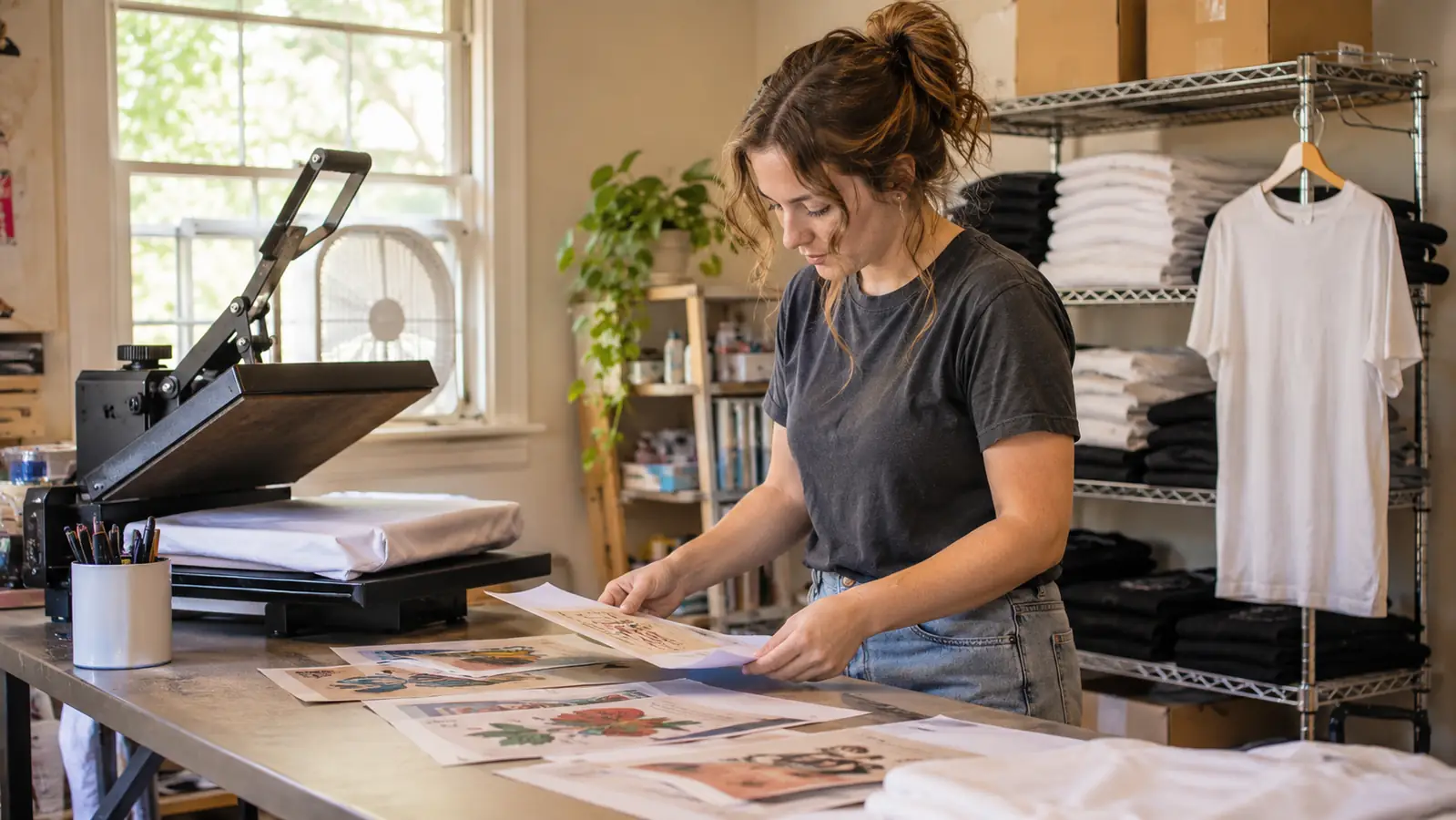
That is the short version. The longer version is that for the better part of a year I was buying whatever sublimation paper was cheapest, and I had convinced myself the splotchy transfers and the faint double image on my tote bags were a me problem. Wrong pressure, I figured. Wrong time, wrong temperature, not enough pressure, too much pressure. I spent a Saturday in my spare bedroom press room adjusting and re-adjusting that heat press while a fan rattled in the window and the folding table slowly disappeared under rejects.
Then a friend who also presses shirts on the side asked the one question I had not asked. What paper are you using? I told her. She made a face. She handed me a pack of A-SUB Sublimation Paper, 8.5 by 11 inches, 110 sheets, 125g, and told me to press one shirt and text her.
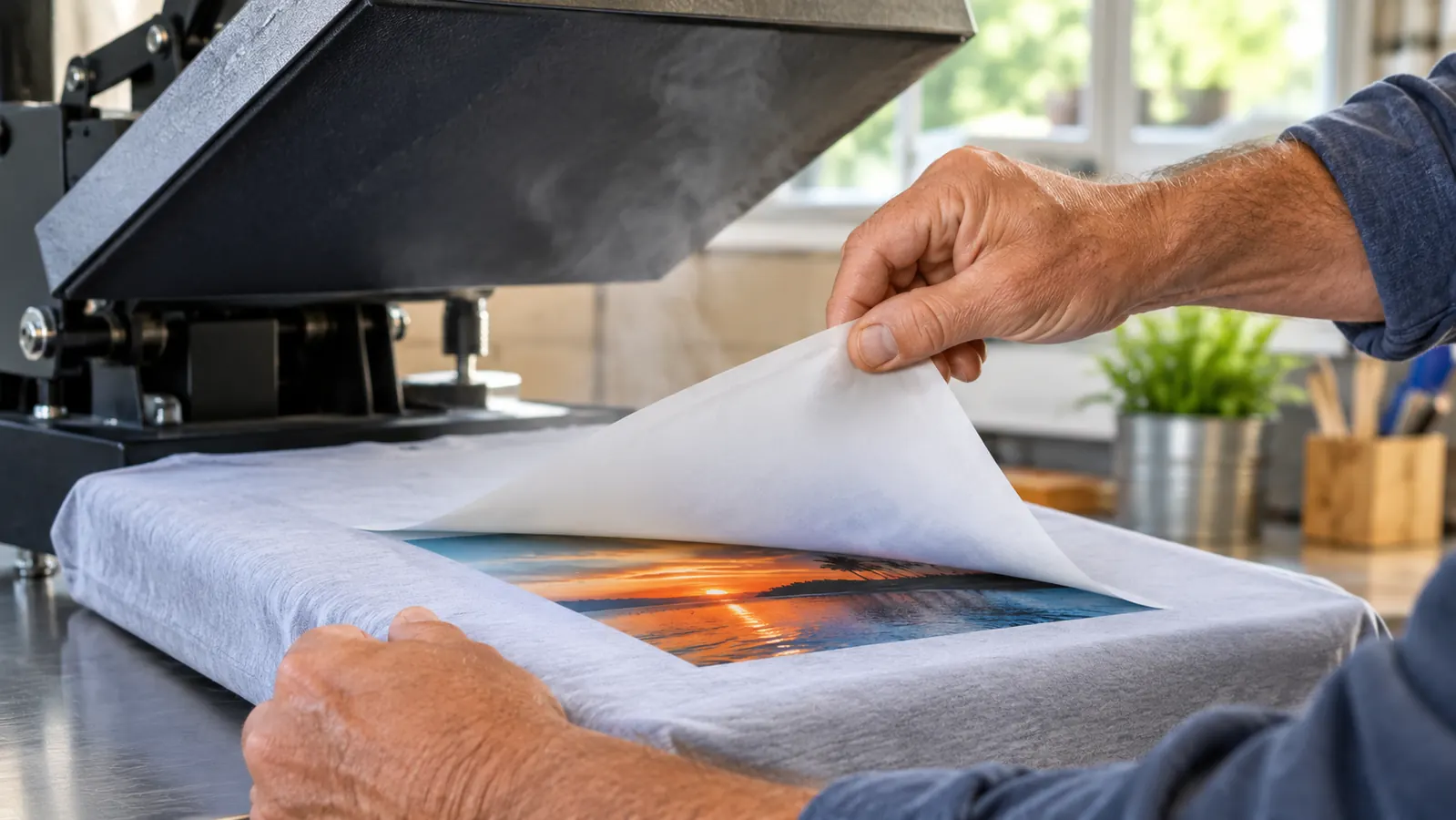
One shirt. White polyester blend I had already made my peace with losing. I pressed it the way I had been pressing everything, same time, same temperature, same pressure I had given up trusting. Lifted the sheet while it was still warm.
The color came off the paper the way it is supposed to come off paper, entirely, evenly, and without that gray ghost shadow of the design sitting underneath it.
I stood there in that little room and felt genuinely stupid, and also relieved. It was not me. It was the paper.
The ream that ended my guess-the-settings weekends
A-SUB Sublimation Paper, 8.5x11, 110 sheets of 125g stock that releases evenly and holds up to a warm peel. Rated 4.8 stars across more than 54,000 reviews. It only works with sublimation ink, so do not load it in your regular printer.
Amazon Check Today's Price on Amazon →Here is what actually changed, in plain terms. The cheap stock I had been using held onto its ink. You would pull the sheet off a shirt and see a pale, dusty version of your design left behind on the paper, which meant a pale, dusty version of your design on the shirt. A-SUB's paper releases at a high transfer rate, and I could see the difference on the second print. The first shirt came out with a rich, saturated image, and I did not have to hold my breath leaning in to check for banding.
It also stopped the curling. Anyone who has fed thin coated paper through a printer knows the fight. The A-SUB sheets are 125g, coated on one side, and they feed flat enough that I quit hand-holding the stack as it went in. Small thing. It saves me a smeared print a week.
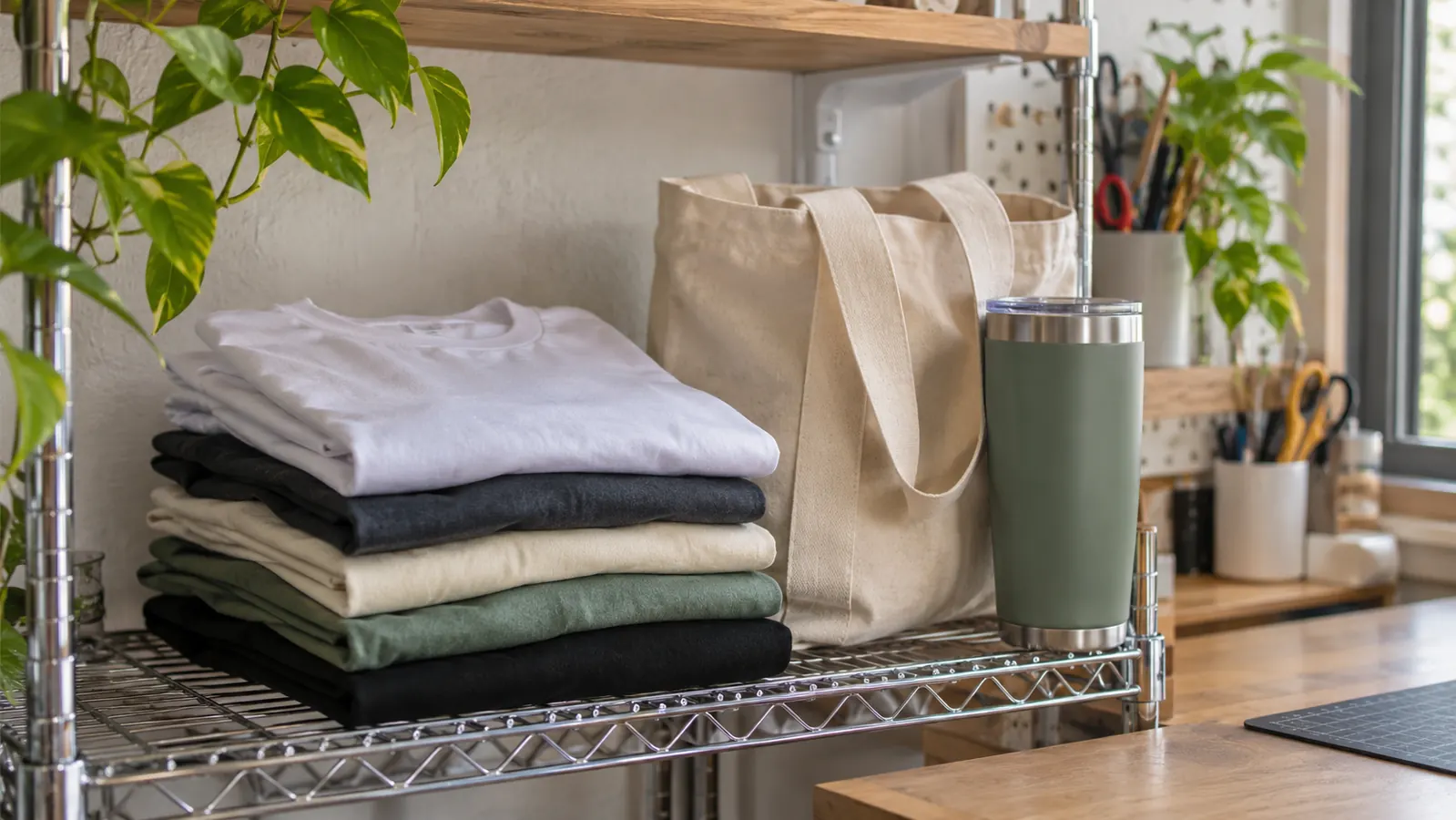
The other difference is that it works with more than shirts. The pack covers white or light-colored polyester and material with cotton content under 30 percent, plus ceramic, tile and phone cases and metal goods. I do a church festival booth every fall, and I have been slowly building out a tumbler and tile table alongside the shirts. On the old paper my ceramic tile transfers were the shakiest thing I made. Now the tile and the tumbler blanks behave the same as the fabric, which means I am not adjusting my setup for every single product type.
I have my gripes, so let me be straight about them. This is a one-sided coated sheet. The back has no coating, and if you load it the wrong way, which I have absolutely done, you get a faint washed-out transfer and you will be tempted to blame the paper. It is not the paper. Pay attention to which side faces out. Also, it will not do anything for a dark shirt. If you want to press black tees you need a different process entirely, and no paper solves that.
The other thing I tell anyone who asks is that this paper is not a shortcut past learning your press. It rewards a decent setting and it punishes a lazy one, same as everything else in this hobby. What it does do is take one variable out of the equation. When I was fighting cheap paper I never knew whether I was fixing my technique or fighting the stock. Now when something comes out flat, I know it is my time or my pressure, and I can actually fix it.
What I'd Tell You If We Were Sitting at My Kitchen Table
I would tell you to buy the paper before you buy another gadget.
I know how the slide works. You start pressing shirts with an iron on the kitchen counter, you get one good one, and then you buy a real press. Then a bigger press. Then a tumbler wrap, then a mug attachment, then something else with a cord. Meanwhile you are feeding that press the cheapest paper on the shelf and quietly wondering why your work looks homemade in the bad way.
The paper is the cheapest part of what we do and the one that shows up in every single finished piece. A-SUB got my transfers from maybe-acceptable to something I am willing to hand a stranger for money. I am not going to sit here and tell you it changed my income, because that is not how this works and it is not a promise anyone can keep. What I can tell you is that I stopped throwing shirts away, and I stopped dreading the moment I peel a sheet off a t-shirt. That is worth more than it sounds like on a Sunday night when you have nine totes due for a school event on Monday.
I started with a household iron in my spare bedroom. Four years later I still press in that same spare bedroom, with the same folding table and the same fan in the window, and I am still learning. The only thing that has really changed is that I no longer wonder whether the problem is me. Most weeks it turns out it was the paper the whole time.
One ream. One variable off your list.
A-SUB Sublimation Paper, 8.5x11 inches, 110 sheets of 125g coated stock for polyester, cotton blends under 30 percent, ceramic, tile, phone cases and metal. Use it with sublimation ink only.
Amazon See Today's Price on Amazon →